
Welcome to the Counseling Office
Purpose
The Parkland High School Counseling Program empowers all students to achieve academic success, develop social-emotional wellness, and explore college and career pathways through a comprehensive, data-informed program aligned with the ASCA Mindsets & Behaviors for Student Success. In collaboration with educators, families, and community partners, we ensure every student feels safe, supported, and fully prepared to graduate high school ready to thrive in college, career, and life—reflecting Parkland High School’s commitment to excellence and student achievement.
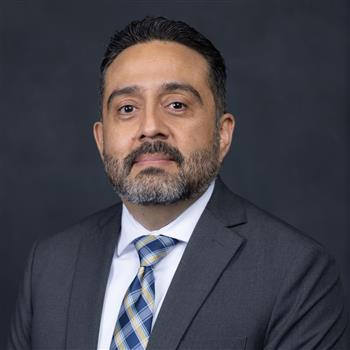
Mr. David Castro

Ms. Dolores Dorado
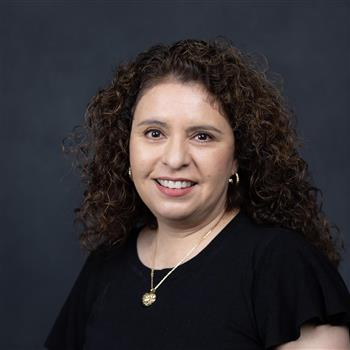
Ms. Rebecca Duran
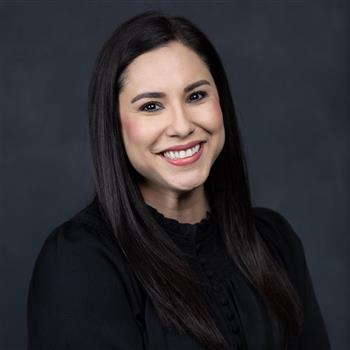
Ms. Melissa Nava
Role of a School Counselor
The role of a school counselor, as outlined by the ASCA (American School Counselor Association) National Model and the Texas Model for Comprehensive School Counseling , encompasses various responsibilities to support students' academic, social, and emotional development. Here's a summary with bulleted points:
Academic Guidance:
Assist students in developing academic goals and plans.
Guide course selection and career pathways.
Monitor and address academic progress and challenges.
Social-Emotional Support:
Foster a positive school environment conducive to emotional well-being.
Offer counseling services to address students' social and emotional concerns.
Promote interpersonal skills and conflict resolution.
Career Development:
Facilitate exploration of career options and interests.
Provide information on post-secondary education and career pathways.
Assist in developing career-related skills and goals.
Individual and Group Counseling:
Conduct one-on-one counseling sessions to address personal challenges.
Facilitate group counseling sessions for specific issues or concerns.
Implement interventions to enhance students' social skills.
Advocacy and Collaboration:
Advocate for students' needs within the school community.
Collaborate with teachers, parents, and administrators to support student success.
Play a key role in creating a positive and inclusive school culture.
Crisis Intervention:
Provide immediate support and intervention during crises.
Collaborate with relevant stakeholders to address emergencies.
Implement strategies to help students cope with traumatic events.
Data Analysis and Assessment:
Utilize data to assess the effectiveness of counseling programs.
Analyze academic and behavioral trends to inform decision-making.
Continuously evaluate and improve counseling services based on outcomes.